
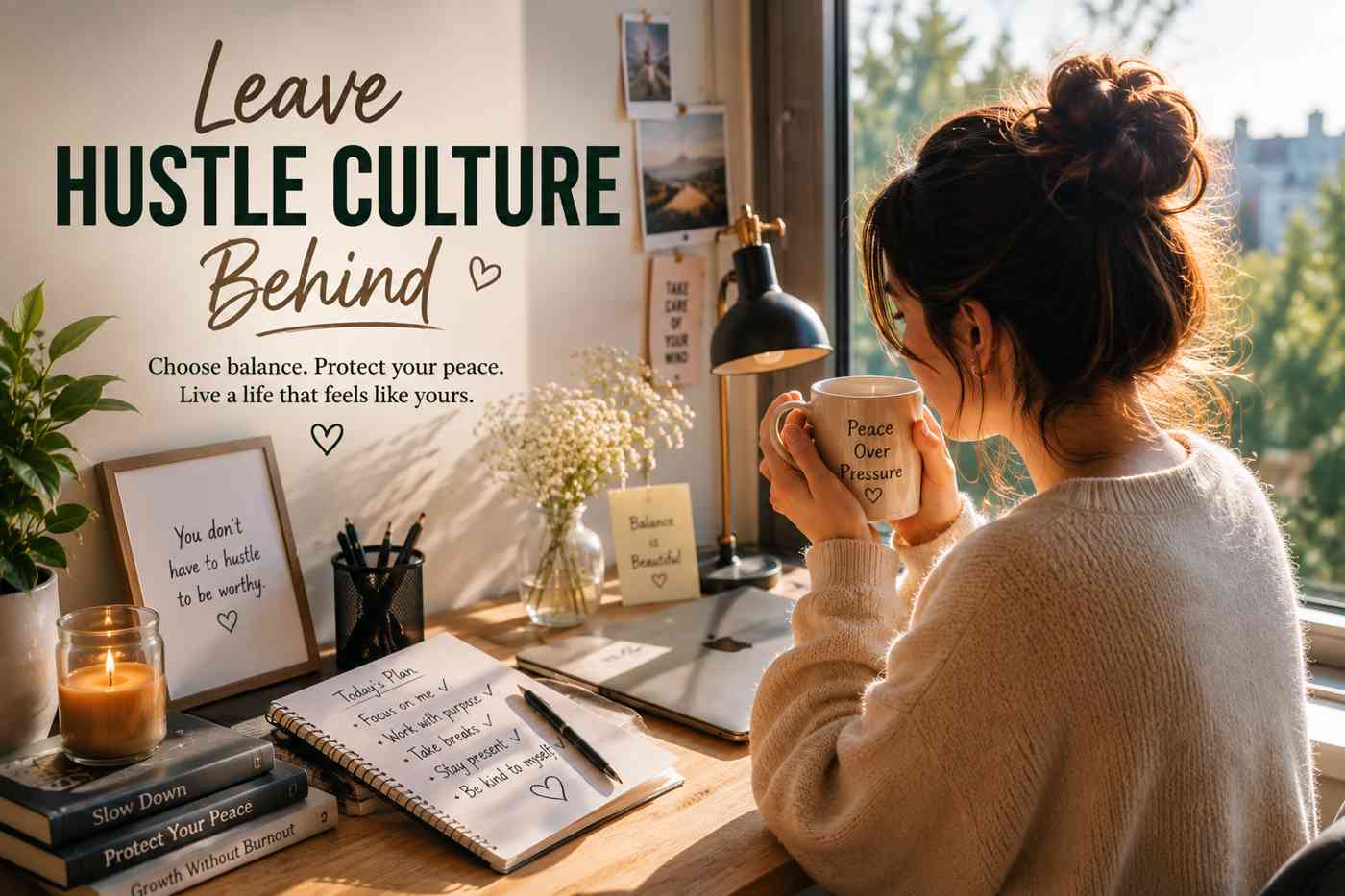
For years, hustle culture was treated like the ultimate formula for success. Social media was filled with people showing sleepless nights, packed calendars, and nonstop work routines as if exhaustion was something to admire. Being constantly busy became a symbol of ambition, especially among entrepreneurs, creators, and young professionals trying to build successful careers.
But in 2026, the conversation is changing quickly. More people are stepping away from unhealthy work habits and questioning whether constant productivity is truly worth the mental and emotional pressure. Instead of glorifying overwork, modern lifestyles are shifting toward balance, flexibility, and long-term well-being.
The Real Meaning Behind Hustle Culture
The hustle culture meaning is based on the idea that success only comes through nonstop hard work and constant productivity. As discussed across modern lifestyle platforms like alphaInsider.co.uk this mindset promotes the belief that resting too much, slowing down, or taking breaks can make people fall behind professionally. For years, this approach dominated workplace culture and online motivation content.
Although hustle culture initially appeared inspiring, many people eventually noticed its negative effects. Long working hours, unrealistic expectations, and pressure to always stay productive slowly created stress, emotional exhaustion, and unhealthy routines for millions of workers around the world.
Why It Became So Popular
Hustle culture became extremely popular because social media made productivity look glamorous. Online audiences constantly saw influencers, startup founders, and business creators promoting busy lifestyles as the only path to success. For many people, being overworked slowly became connected to self-worth and personal identity.
Several factors helped fuel this trend:
- Social media productivity content
- Startup and entrepreneur culture
- Competitive workplace environments
- Fear of falling behind financially
- Pressure to achieve success at a young age
Toxic Hustle Culture Is Losing Its Appeal
In 2026, more professionals are openly rejecting toxic hustle culture because they no longer see burnout as something admirable. Employees and business owners are becoming more aware of how unhealthy work habits affect relationships, mental health, sleep quality, and overall happiness.
The shift is especially strong among younger generations entering the workforce. Instead of chasing nonstop productivity, many people now prefer careers and lifestyles that allow more freedom, flexibility, and emotional stability.
Mental Health Is Becoming a Priority
Mental health awareness has grown significantly over the last few years. Conversations around anxiety, workplace stress, and emotional burnout are now far more common across companies and online communities. As a result, many workers now believe that protecting mental health is just as important as achieving career goals.
This shift is happening because of factors such as:
- Increased awareness about emotional well-being
- Better access to therapy and wellness support
- Open discussions about burnout on social media
- Workplace mental health initiatives
- Growing demand for healthier routines
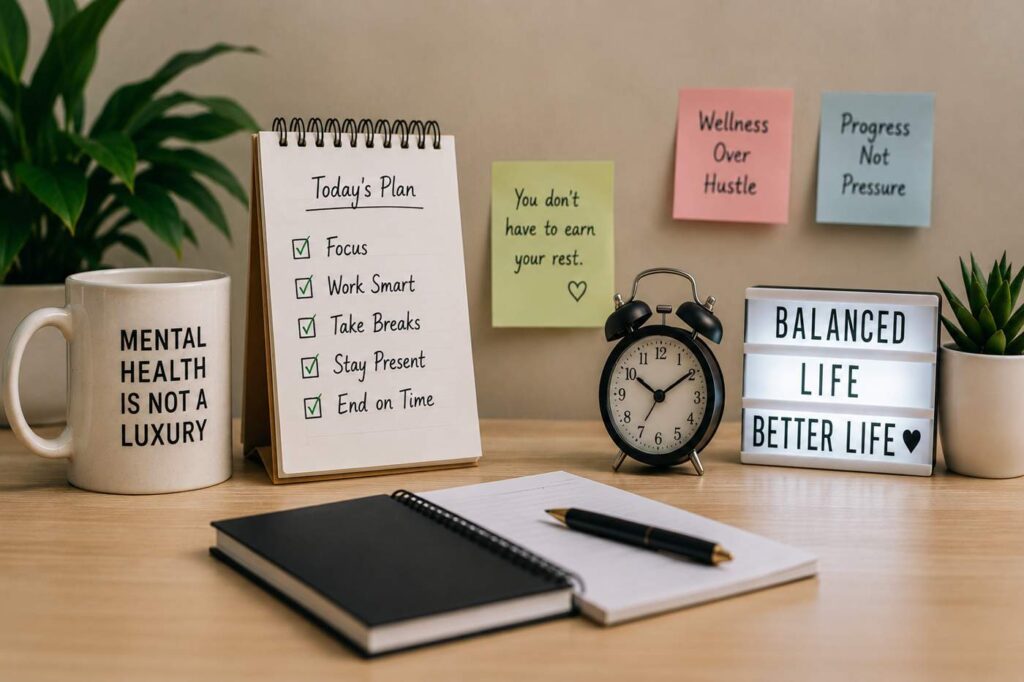
Burnout Culture Is Affecting Modern Workplaces
One of the biggest reasons people are moving away from hustle culture is the rise of burnout culture. Employees across remote, hybrid, and office-based jobs are experiencing emotional exhaustion caused by long-term stress and unrealistic productivity expectations.
Recent workplace reports published in 2026 continue showing high burnout rates globally. Many workers now say they feel mentally drained even after weekends or vacations because work pressure never fully disappears.
Signs of Burnout
Burnout culture affects people differently, but several symptoms have become increasingly common in modern workplaces. Burnout culture affects people differently, but several symptoms have become increasingly common in modern workplaces.
Many professionals experience:
- Constant tiredness and low energy
- Difficulty concentrating on tasks
- Anxiety connected to work pressure
- Reduced motivation and creativity
- Emotional exhaustion after work
- Trouble separating work from personal life
Work Life Balance Is Becoming More Important
The growing demand for work life balance is one of the clearest signs that workplace culture is changing. As lifestyle discussions on elle.com often highlight, people are realizing that financial success means very little if personal health, relationships, and happiness are constantly ignored.
Instead of glorifying exhaustion, many professionals now want healthier schedules that allow time for family, hobbies, exercise, and rest. This shift is influencing both employee expectations and company policies around the world.
Companies Are Adapting to New Expectations
Businesses are also changing workplace policies because they understand that exhausted employees are less productive over time. Modern companies now recognize that healthier work environments improve both performance and employee retention. Companies that fail to adapt are increasingly struggling to attract younger talent.
Popular workplace changes in 2026 include:
- Flexible working hours
- Hybrid and remote work options
- Four-day workweek trials
- Mental health leave policies
- Reduced after-hours communication
- Wellness-focused employee programs
Social Media Is Changing the Conversation
Interestingly, social media helped popularize hustle culture years ago, but it is now helping people move away from it as well. Online platforms are filled with creators discussing realistic productivity, emotional wellness, and healthier daily routines.
Instead of celebrating sleepless nights and nonstop grinding, many influencers are encouraging people to slow down and protect their peace of mind. This new online conversation feels more relatable to audiences dealing with stress and burnout.
The Soft Life Trend Is Growing Fast
One of the biggest lifestyle movements in 2026 is the rise of the soft life trend. This lifestyle focuses on reducing unnecessary stress and creating routines that support emotional and mental well-being. Many people are embracing this lifestyle because it feels healthier and more sustainable than constant overworking.
The trend often encourages people to:
- Prioritize rest and recovery
- Set healthier work boundaries
- Reduce unnecessary pressure
- Focus on emotional wellness
- Spend more time offline
- Create slower and calmer routines
Remote Work Changed Productivity Habits
Remote work permanently changed how people think about productivity and daily routines. Many employees realized they could perform well without spending endless hours inside traditional office environments.
At the same time, remote work also exposed how difficult it can be to disconnect from work completely. For many professionals, work notifications, meetings, and deadlines slowly entered every part of daily life.
Flexible Careers Are Becoming More Popular
In 2026, more people are choosing careers that offer flexibility and independence rather than rigid schedules. Freelancing, digital businesses, remote jobs, and creator-based careers continue growing rapidly worldwide. This shift is reshaping industries and changing what younger workers expect from employers.
Modern professionals are increasingly interested in:
- Flexible working environments
- Location-independent careers
- Better control over schedules
- Improved work life balance
- Less workplace-related stress
What Workplace Culture May Look Like Next
Experts believe the anti-hustle movement will continue growing as technology and workplace expectations evolve further. Companies are already investing more heavily in employee wellness, flexible schedules, and smarter productivity systems.
At the same time, AI automation is reducing repetitive workloads in many industries. This may allow workers to focus more on creativity and meaningful tasks instead of spending endless hours on repetitive work.
Workplace Trends Expected After 2026
Several major trends are expected to continue shaping modern work culture over the next few years. The future of work is becoming less about nonstop hustle and more about sustainable performance.
Important changes likely include:
- Increased AI-assisted productivity
- More remote and hybrid careers
- Greater focus on mental wellness
- Flexible work schedules becoming standard
- Reduced emphasis on overtime culture
- Smarter productivity instead of longer hours
Where Things Are Heading
The decline of hustle culture reflects a major lifestyle and workplace shift happening across the world in 2026. People are no longer impressed by constant exhaustion or nonstop productivity. Instead, they are prioritizing healthier routines, emotional well-being, and better work life balance.
Hard work and ambition still matter, but modern professionals increasingly believe success should improve life rather than completely consume it. As workplace culture continues evolving, balance and sustainability are becoming more valuable than burnout and overwork.