
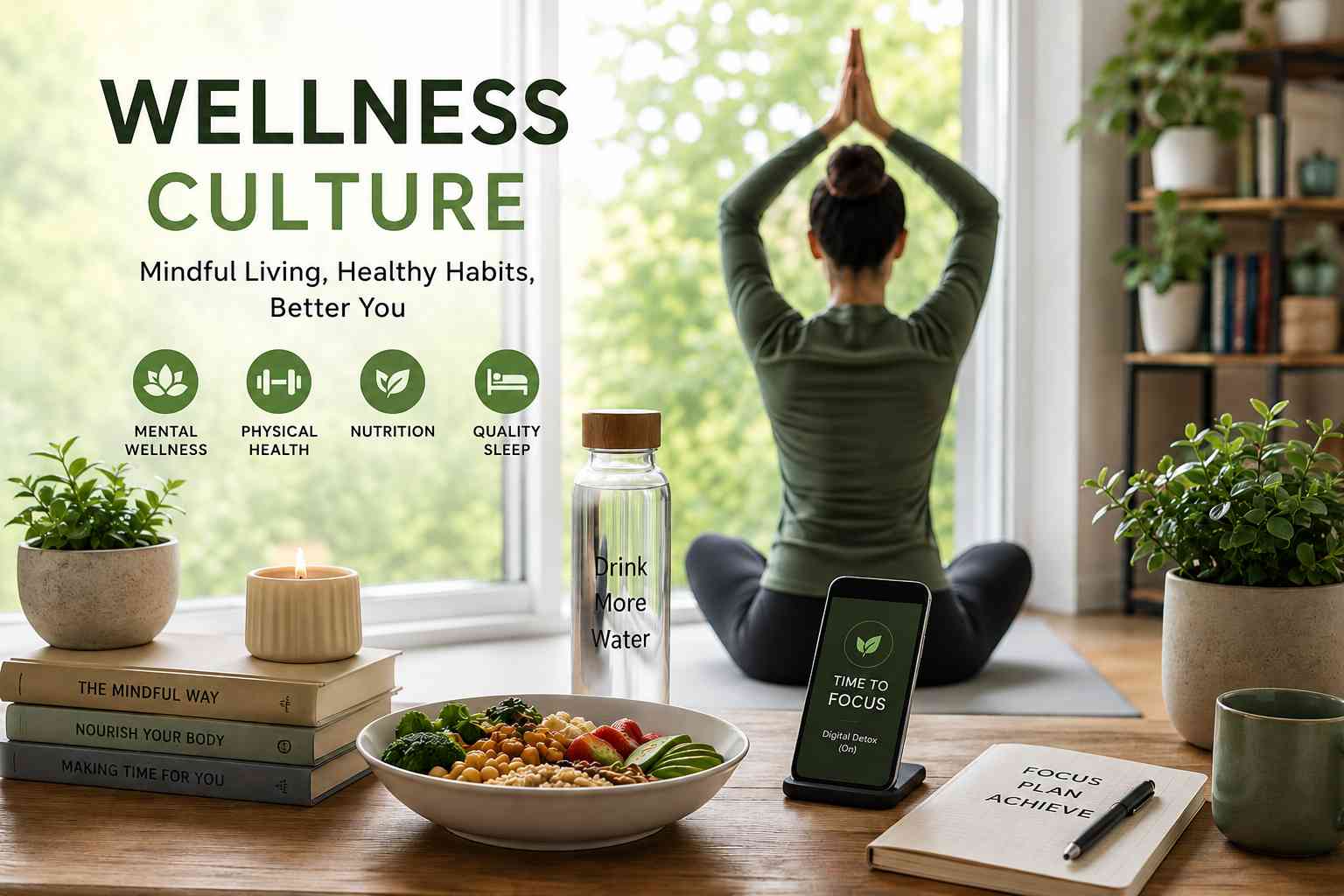
Modern life in 2026 feels more balanced and intentional than it did a few years ago. People are no longer only focused on nonstop productivity or spending every moment online. Instead, they are building routines that support mental wellbeing, physical health, and emotional peace while still enjoying the convenience of modern technology.
This positive shift has helped wellness culture become one of the strongest lifestyle movements worldwide. From healthier eating habits to mindful living habits and digital balance, people are redefining what a healthy modern lifestyle truly looks like. Wellness is no longer treated like a luxury because it has become part of everyday living for millions of people.
Why Wellness Culture Is Growing Rapidly
One major reason wellness culture is growing so quickly is because people are becoming more aware of the effects of stress, burnout, and digital overload. Many individuals now understand that success means very little without good health, emotional stability, and personal balance. Platforms like alphainsider.co.uk are also contributing to this shift by highlighting healthier routines, productivity balance, and modern lifestyle discussions.
At the same time, social media has changed how people view wellness. Instead of promoting unrealistic perfection, many creators in 2026 are encouraging realistic routines, self-care, better sleep, and emotional wellbeing. This has made modern living lifestyle trends feel more positive, relatable, and achievable for ordinary people.
Digital Wellness Trends Are Reshaping Daily Life
Technology remains an important part of everyday life, but people are becoming smarter about how they use it. Long screen hours and nonstop notifications created mental fatigue for many users, which is why digital wellness trends are becoming increasingly popular across the world.
Instead of avoiding technology completely, people are focusing on healthier digital habits that improve focus and emotional balance. Many individuals now use technology in ways that support productivity without allowing it to control their entire routine. These small lifestyle changes are helping people feel calmer, more focused, and mentally refreshed throughout the day.
Some of the most popular digital wellness trends in 2026 include:
- App usage tracking
- Screen-free morning routines
- Focus and productivity modes
- Digital detox weekends
- Reduced late-night scrolling
Healthier Screen Habits
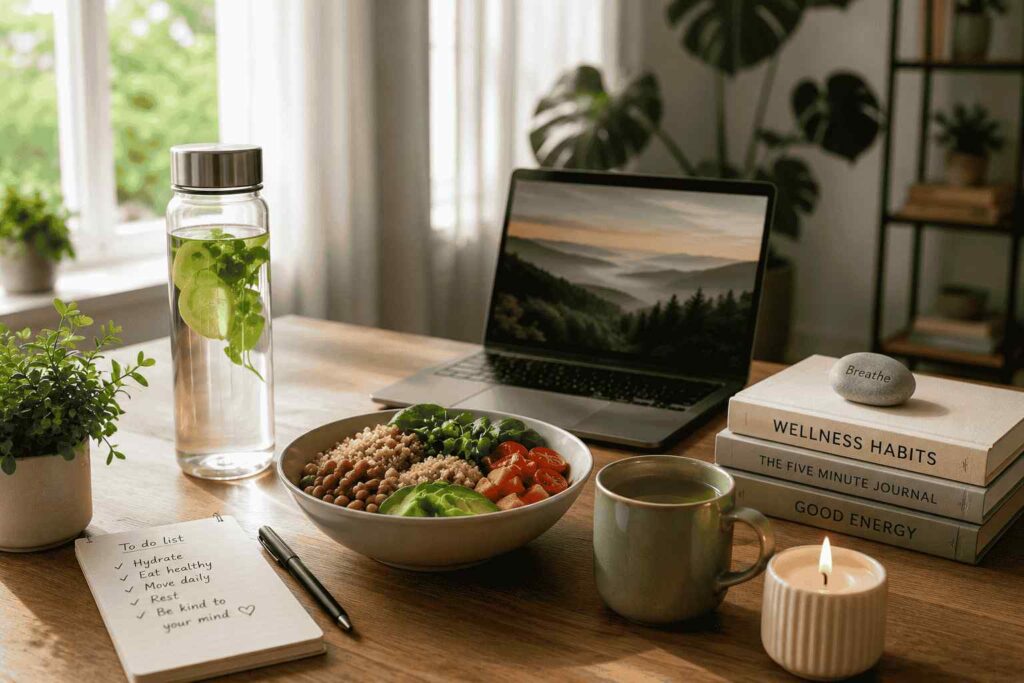
Many people are now limiting unnecessary screen time during important parts of the day. Phone-free meals, reduced social media usage before sleep, and intentional breaks from screens are becoming common habits among individuals trying to improve their mental clarity and overall wellbeing.
These adjustments are creating noticeable improvements in daily life. People often report better concentration, healthier sleep patterns, and reduced stress after creating stronger boundaries with technology. Because of this, healthy modern lifestyle routines are becoming closely connected with smarter digital habits.
Wellness Spaces Inside Modern Homes
Modern homes are evolving alongside wellness culture. Instead of only focusing on decoration or luxury, many people are designing living spaces that feel peaceful, organized, and emotionally refreshing after long workdays and busy schedules.
Natural lighting, indoor greenery, calming colors, and clutter-free layouts are becoming common features in modern homes. These simple environmental changes are helping individuals feel more relaxed and emotionally balanced, especially for people working remotely in 2026. These spaces are making it easier for people to disconnect from stress and recharge mentally within their own homes.
Many wellness-focused homes now include:
- Quiet reading corners
- Indoor plants and natural textures
- Minimalist workspaces
- Soft lighting environments
- Dedicated relaxation areas
Mindful Living Habits Are Becoming Everyday Priorities
Mindfulness is no longer limited to meditation retreats or wellness communities. In 2026, people are practicing mindful living habits in practical and realistic ways during their daily routines. This includes mindful eating, intentional rest, healthier communication, and maintaining stronger work-life balance.
The popularity of these habits comes from their simplicity. Instead of forcing dramatic lifestyle changes, people are focusing on smaller routines that naturally improve emotional wellbeing and help them feel more present throughout the day.
Morning Routines Are Becoming More Intentional
Many individuals now start their mornings without immediately checking social media or work notifications. Instead, they spend time stretching, hydrating, journaling, or simply enjoying a quiet moment before beginning their responsibilities. Lifestyle platforms like elle.com have also highlighted how mindful morning habits can positively influence mental wellbeing and daily focus.
These calmer morning habits are helping people feel more focused and emotionally prepared for the day ahead. Wellness experts believe these routines improve productivity naturally because individuals begin their mornings with less mental pressure and more emotional balance. These routines may seem simple, but they are creating a powerful impact on daily wellbeing and mental clarity.
Popular morning wellness habits now include:
- Drinking water before coffee
- Short outdoor walks
- Journaling or gratitude writing
- Meditation or breathing exercises
- Avoiding screens after waking up
Sleep Wellness Is Getting More Attention
Sleep has become one of the biggest conversations in wellness culture because people are finally recognizing how deeply rest affects physical and emotional health. Poor sleep habits were once normalized, but modern lifestyles are now shifting toward healthier nighttime routines.
Many individuals are reducing screen exposure before bed, using calming lighting, and maintaining more consistent sleep schedules. These habits are helping people improve focus, mood, energy levels, and overall mental wellbeing in a more sustainable way.
Work Culture Is Becoming More Wellness-Focused
Businesses are also paying greater attention to employee wellbeing in 2026. Companies now understand that healthier and happier employees often perform better, communicate more effectively, and maintain stronger long-term productivity.
As a result, workplaces are becoming more flexible and wellness-oriented. Employees are being encouraged to maintain balance instead of constantly working under pressure or experiencing digital burnout. This shift is helping wellness culture become a meaningful part of professional life rather than something people only focus on after work hours.
Many modern workplaces now provide:
- Flexible work schedules
- Mental health support programs
- Wellness memberships
- Hybrid work options
- Burnout prevention initiatives
Wellness and Nutrition Are Becoming More Balanced
Food habits are changing in positive ways as people move away from extreme dieting trends. Instead of restrictive eating patterns, many individuals are focusing on balanced nutrition that supports energy, emotional wellbeing, and long-term health.
In 2026, healthier eating is becoming more realistic and sustainable. People are choosing meals that make them feel energized and mentally refreshed rather than following stressful routines that are difficult to maintain over time.
Personalized Nutrition Is Growing
Technology is helping people better understand their bodies and nutritional needs. Some wellness apps and wearable devices now provide customized recommendations based on sleep patterns, daily activity, and personal health goals.
This personalized approach is becoming increasingly popular because it allows people to create routines that fit their lifestyles naturally. It also reflects how modern living lifestyle trends are becoming more intelligent, flexible, and wellness-focused.
Functional Foods Are Becoming Mainstream
Foods that support digestion, immunity, focus, and energy are becoming more common in supermarkets and restaurants. Products containing probiotics, protein blends, natural supplements, and nutrient-rich ingredients are attracting more health-conscious consumers.
People are now more interested in foods that improve how they feel mentally and physically instead of simply focusing on calorie counting. This positive shift highlights the growing connection between nutrition and overall wellness culture.
Wellness Culture Continues to Shape Modern Living
Experts believe wellness culture will continue expanding as more people prioritize emotional balance, healthier routines, and mindful living habits. Modern lifestyles are becoming more wellness-focused, with people paying closer attention to mental clarity, stress management, and overall quality of life.
Innovations such as AI-powered wellness apps, smart sleep technology, wearable health devices, and calming home environments are becoming increasingly popular in 2026. These advancements are helping people maintain healthier routines in simpler, smarter, and more practical ways.
Frequently Asked Questions
Wellness culture is becoming an important part of modern living in 2026. More people are adopting mindful living habits, healthier routines, and digital wellness trends to create a balanced and healthy modern lifestyle. From better sleep habits to improved work-life balance, individuals are focusing more on emotional wellbeing and long-term health. These common questions highlight why wellness culture continues to influence everyday life around the world.
What is wellness culture in modern living?
Wellness culture refers to a lifestyle focused on improving physical health, mental wellbeing, emotional balance, and overall quality of life. In modern living, it includes healthy routines, mindful habits, balanced nutrition, better sleep, and healthier technology usage.
Why is wellness culture becoming popular in 2026?
Wellness culture is growing because more people are prioritizing balance and mental health after experiencing stress, burnout, and digital overload. Individuals now want healthier routines that improve daily life without creating unrealistic pressure or extreme lifestyle changes.
How do digital wellness trends improve daily life?
Digital wellness trends help people create healthier relationships with technology by reducing screen overload and improving focus. Habits like app limits, screen-free routines, and mindful social media usage can support better sleep, reduced stress, and stronger concentration.
What are some simple mindful living habits people can follow?
Some popular mindful living habits include starting mornings without phones, practicing gratitude, taking short walks outdoors, maintaining healthier sleep routines, and spending less time on unnecessary digital distractions. These small habits can positively impact emotional and mental wellbeing.
How is the healthy modern lifestyle changing work culture?
Many companies are now supporting employee wellness through flexible schedules, mental health programs, hybrid work options, and burnout prevention strategies. Businesses understand that healthier employees often perform better and maintain stronger long-term productivity.